7 days · Tanzania · Private safari
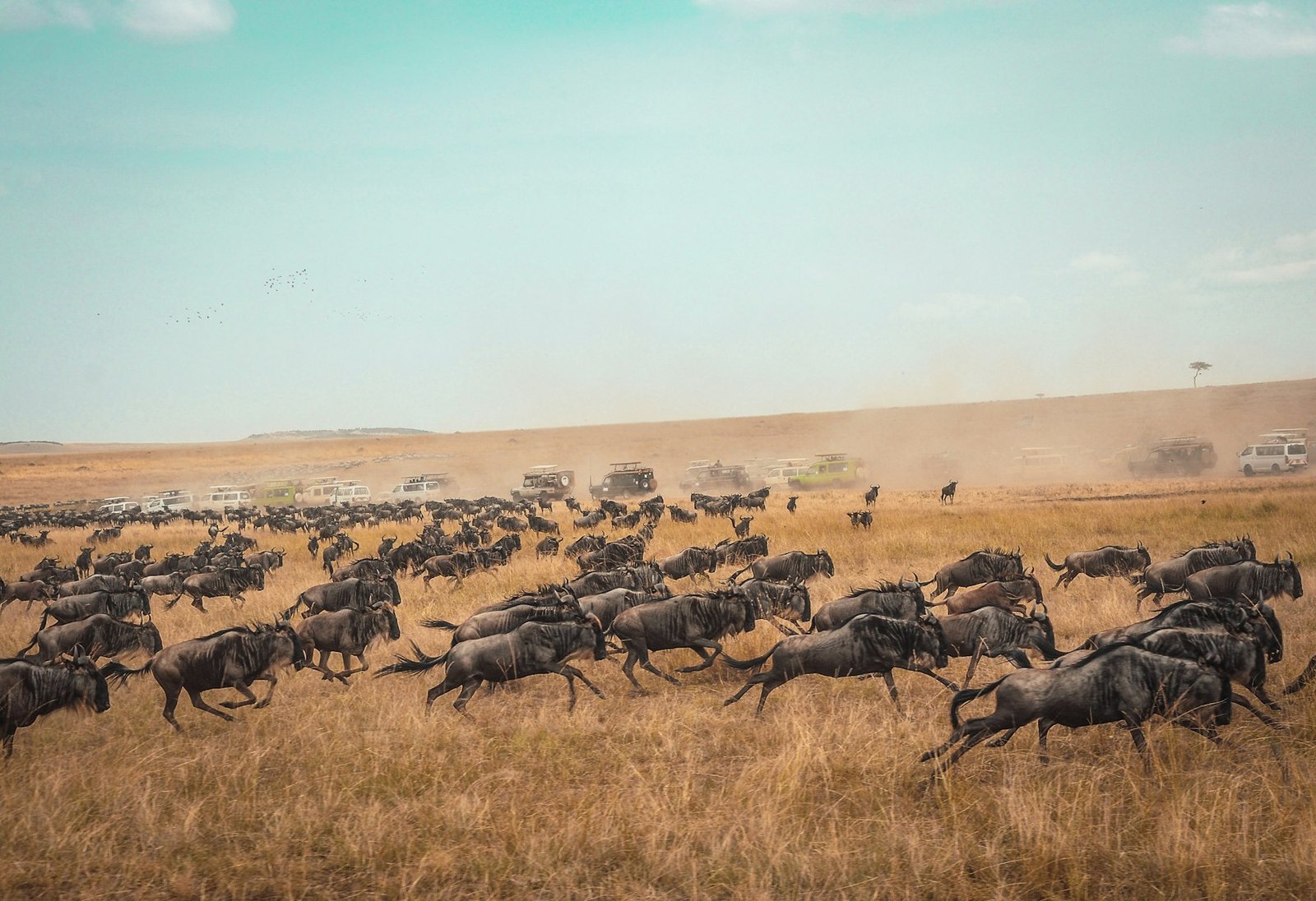
The Great Migration Safari
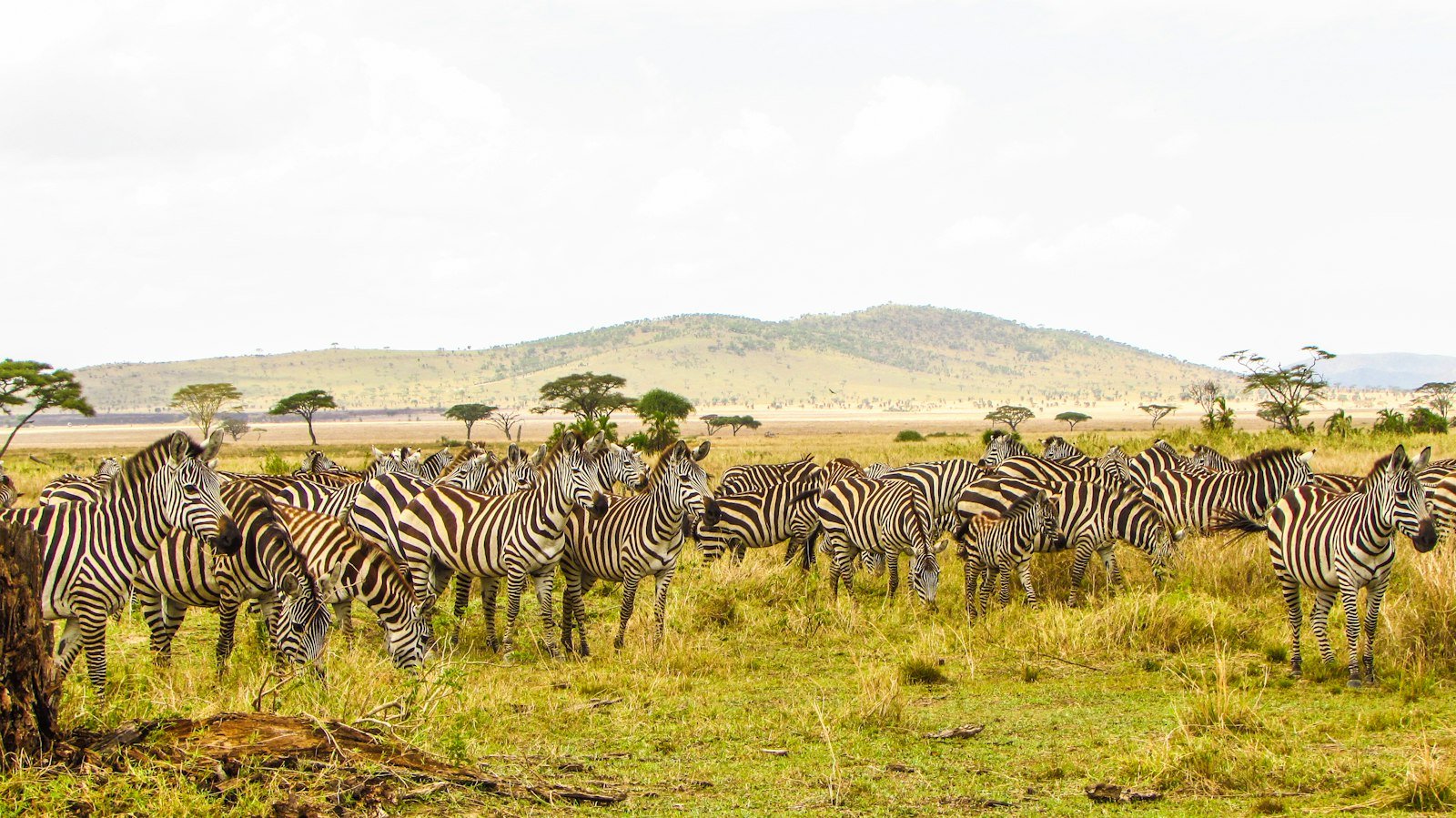
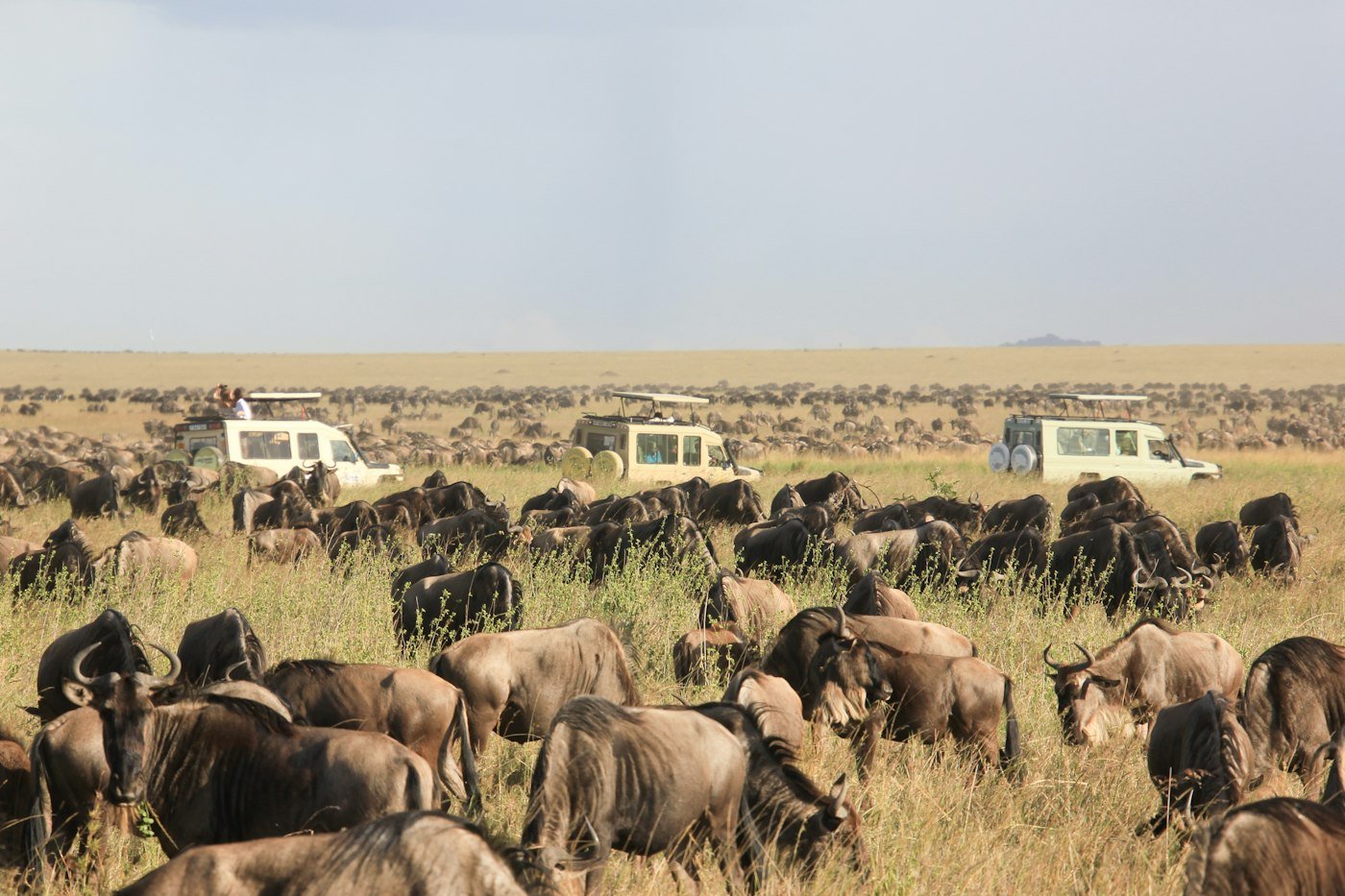
Follow over a million wildebeest through the Serengeti on a 7-day private safari, with the Ngorongoro Crater, an expert guide and camps…
The country
Serengeti · Ngorongoro · Kilimanjaro · Zanzibar
See Tanzania safarisDestination guide
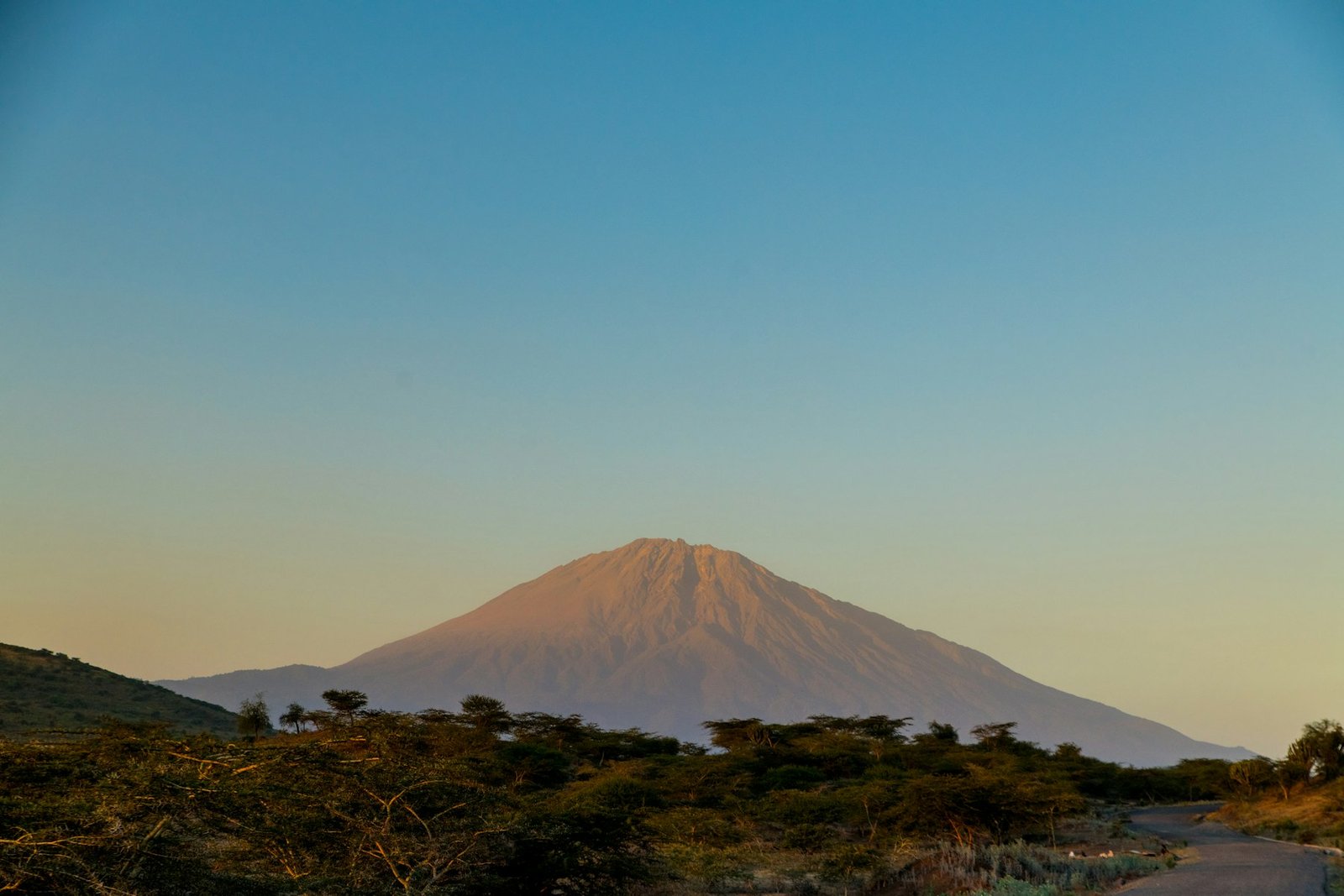
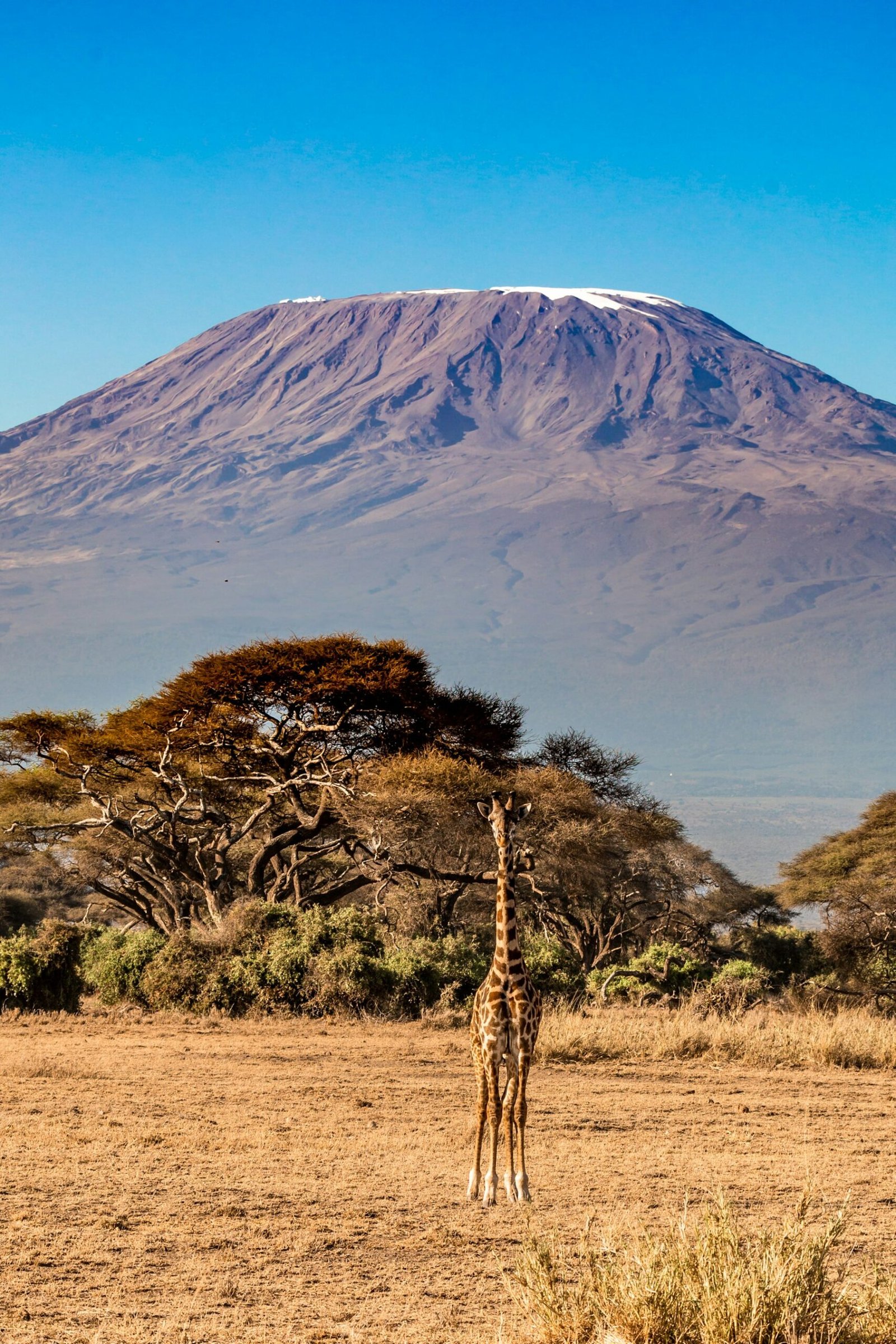
Tanzania is one of the world's great wildlife destinations, with around a third of its land set aside for national parks, conservation areas and game reserves. In the north lies the classic safari circuit: the endless plains of the Serengeti, where the Great Migration plays out year-round; the Ngorongoro Crater, a collapsed volcano sheltering one of the densest concentrations of wildlife in Africa; and Tarangire, famous for its elephants and ancient baobabs. Above them all rises Kilimanjaro, at 5,895 m the highest mountain in Africa and the world's tallest free-standing peak. Further south and west, parks such as Ruaha, Nyerere and Katavi offer true wilderness with very few other vehicles. Tanzania is also warm and welcoming, with a rich mix of cultures, from the Maasai of the plains to the Hadzabe hunter-gatherers of Lake Eyasi. Most safaris begin in Arusha, the gateway to the north, and many end with a few slow days on the beaches of Zanzibar, a short flight away. Our team is based here, which means local knowledge, fast support and guides who know every corner of the country.
Private safaris
7 days · Tanzania · Private safari
Follow over a million wildebeest through the Serengeti on a 7-day private safari, with the Ngorongoro Crater, an expert guide and camps…
6 days · Tanzania · Fly-in safari
Skip the long drives: fly from Arusha to remote Serengeti airstrips and spend 6 days in two intimate camps, with more of…
8 days · Tanzania · Family safari
A private 8-day Tanzania safari built around children: shorter drives, family tents, lodges with pools and guides who turn every sighting into…
5 days · Tanzania · Midrange safari
Tanzania’s three most celebrated parks in 5 days, with comfortable lodges, your own private vehicle and an expert guide. Great midrange value.
7 days · Tanzania · Luxury safari
See the Great Migration born. From December to March, wildebeest calves arrive on the Ndutu and southern Serengeti plains. 7 days in…
7 days · Tanzania · Migration safari
Witness the Great Migration’s river crossings in the northern Serengeti, August to October. A private 7-day Tanzania safari timed for the drama.
6 days · Tanzania · Midrange safari
The calving season at a midrange price: tented camps on the Ndutu plains, Tarangire at the start and the Ngorongoro Crater at…
4 days · Tanzania · Short safari
A compact calving-season safari: head straight to the Ndutu plains for the wildebeest herds and their newborn calves, then finish in the…
3 days · Tanzania · Short safari
Elephants and baobabs in Tarangire, the Big Five in the Ngorongoro Crater, and Lake Manyara’s forest and lake: northern Tanzania in 3…
9 days · Tanzania · Photographic safari
A 9-day private photographic safari through Tarangire, Ngorongoro, Ndutu and the Serengeti, timed for golden light with a guide who knows how…
7 days · Tanzania · Photographic safari
A 7-day private photographic safari in Ndutu and the southern Serengeti during calving season, with off-road access, predators and newborn wildebeest.
7 days · Tanzania · Photographic safari
A 7-day private photographic safari in the northern Serengeti, timed for the Mara River crossings from July to October, with a camera-ready…
6 days · Tanzania · Photographic safari
A 6-day private photographic safari in the central Serengeti, focused on lions, leopards and cheetahs, with a camera-ready vehicle and long days…
4 days · Tanzania · Photographic safari
A 4-day private photographic safari to the Ngorongoro Crater, with dawn descents to the crater floor for lions, black rhino and wildlife…
3 days · Tanzania · Photographic safari
A 3-day private photographic safari in Tarangire National Park, with large elephant herds, ancient baobabs and long days in the best light.
10 days · Tanzania · Birding safari
A 10-day private bird watching safari in northern Tanzania with a specialist guide: endemics, flamingo lakes, forest birds and raptors across five…
4 days · Tanzania · Birding safari
A 4-day private birding safari to Lake Natron and the Engaruka basin, with lesser flamingos, Rift Valley raptors and waders beneath Ol…
8 days · Kenya & Tanzania · Private safari
Maasai Mara, Serengeti and Ngorongoro Crater on one private 8-day route, linked by a light-aircraft hop. Two of Africa’s greatest wildlife areas…
13 days · Kenya, Tanzania & Zanzibar
Maasai Mara, Serengeti, Ngorongoro and Tarangire, then slow beach days on Zanzibar: the complete 13-day private East Africa journey.
10 days · Tanzania & Zanzibar · Honeymoon
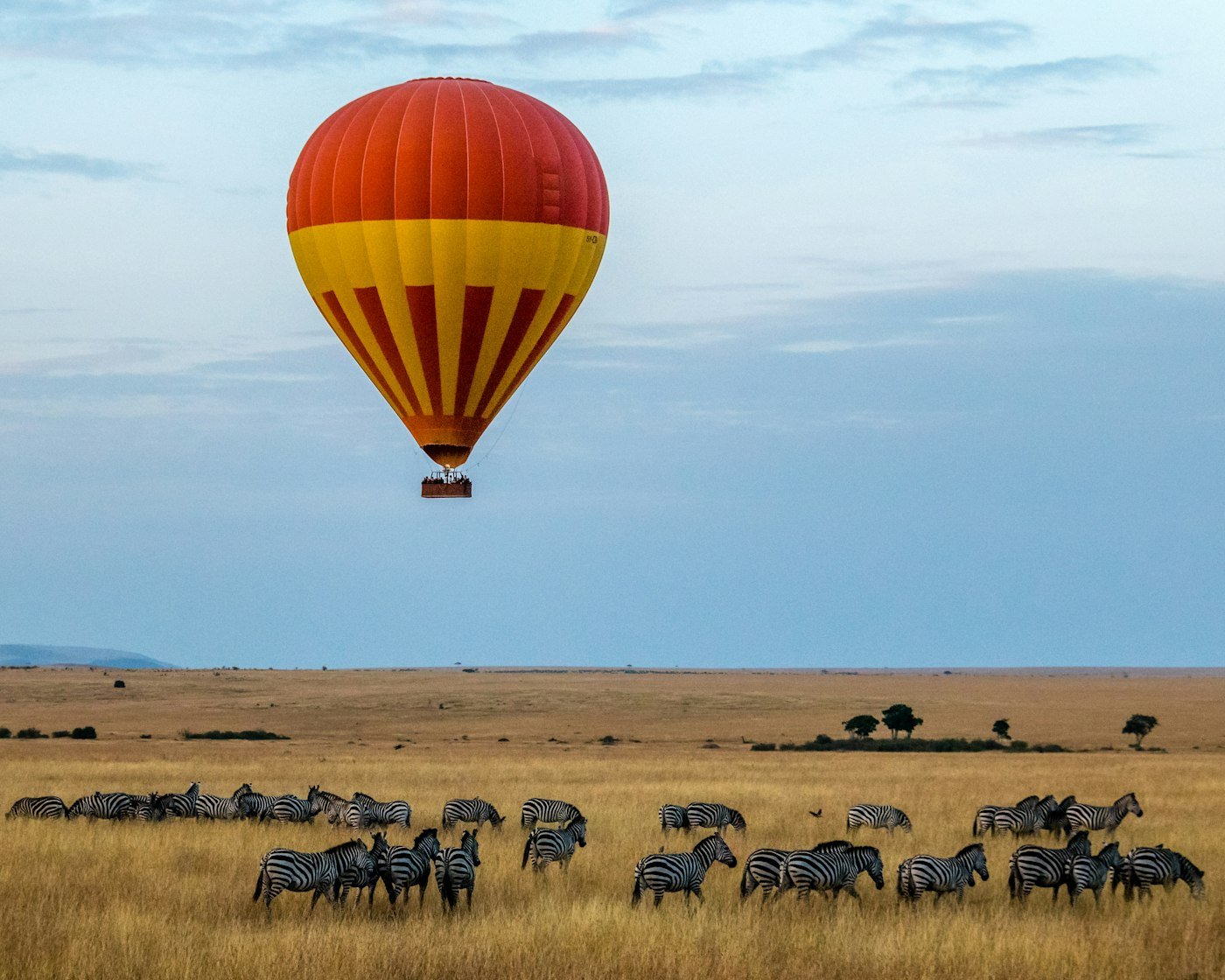
Secluded Serengeti camps, private dinners under the stars and a sunrise balloon flight, followed by slow beach days on Zanzibar. A 10-day…
14 days · Tanzania & Zanzibar · Private safari
Nine unhurried days through Tarangire, the Serengeti and the Ngorongoro Crater with a Mto wa Mbu village visit, then five slow beach…
11 days · Kenya, Tanzania & Zanzibar
Maasai Mara, Serengeti, Ngorongoro Crater and Tarangire, then a flight to Zanzibar’s beaches: two safari countries and an island in 11 days.
6 days · Kenya & Tanzania · Budget safari
The Maasai Mara, Serengeti and Ngorongoro Crater in 6 days, using comfortable tented camps and lodges to keep the price friendly. Private…
8 days · Tanzania · Mountain trek
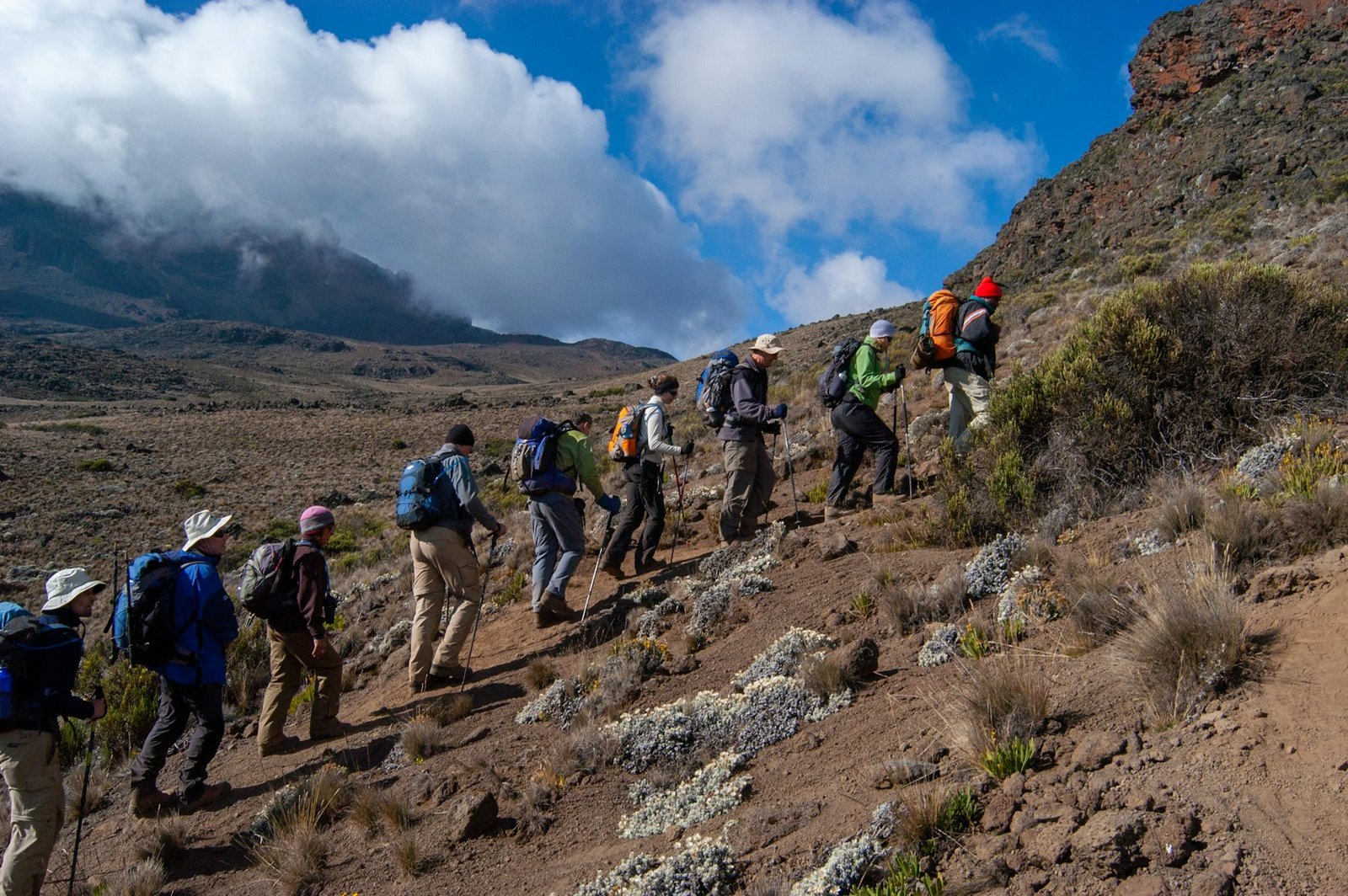
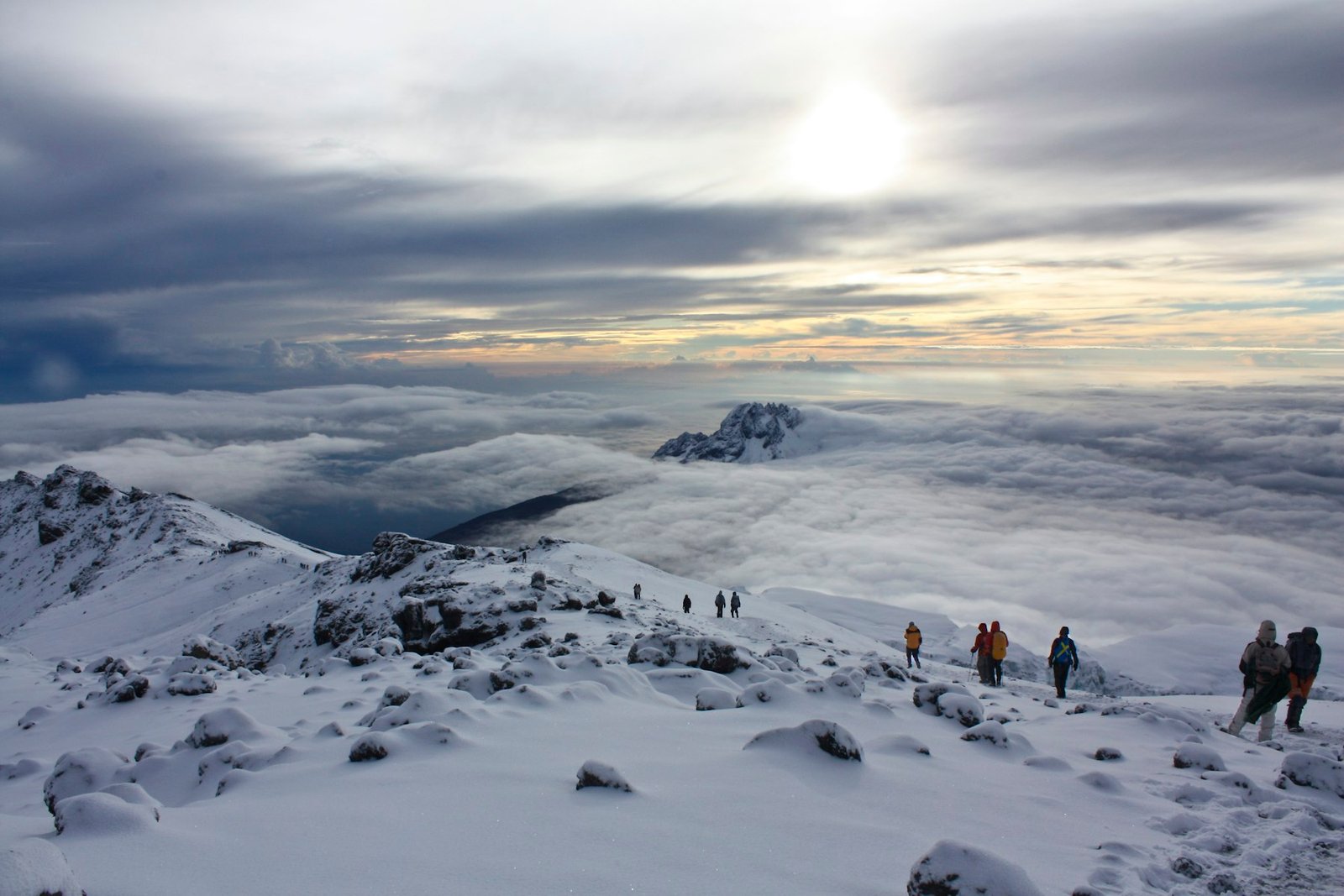
Climb to Uhuru Peak (5,895 m) on the quiet, scenic Lemosho Route. Eight days on the mountain give you time to acclimatise…
7 days · Tanzania · Mountain trek
Kilimanjaro’s most popular route: rainforest, the Shira Plateau, the Lava Tower and the Barranco Wall on a 7-day climb to Uhuru Peak…
6 days · Tanzania · Mountain trek
The classic “Coca-Cola” route, with shared mountain huts instead of tents, a gentle gradient and an extra acclimatisation day at Horombo.
7 days · Tanzania · Mountain trek
Climb Kilimanjaro from the north on the quiet, dry and gently graded Rongai Route. A great choice in the rainy season or…
9 days · Tanzania · Mountain trek
Kilimanjaro’s longest route circles almost the whole mountain for the best acclimatisation, a high summit success rate and few other climbers.
6 days · Tanzania · Challenging trek
The shortest, steepest route up Kilimanjaro, along narrow forest ridges. A 6-day challenge for fit, experienced hikers who have been to altitude…
9 days · Tanzania · Expedition
Sleep inside Kilimanjaro’s summit crater near the glaciers, then stand on Uhuru Peak at sunrise. A rare 9-day expedition for well-prepared climbers.
Day trip
A full-day private game drive in Tarangire National Park, two hours from Arusha. Huge elephant herds, ancient baobabs and the perfect one-day…
Day trip
Momella Lakes, Ngurdoto Crater and Mount Meru views, 45 minutes from Arusha, with an optional walking safari alongside an armed ranger.
Day trip
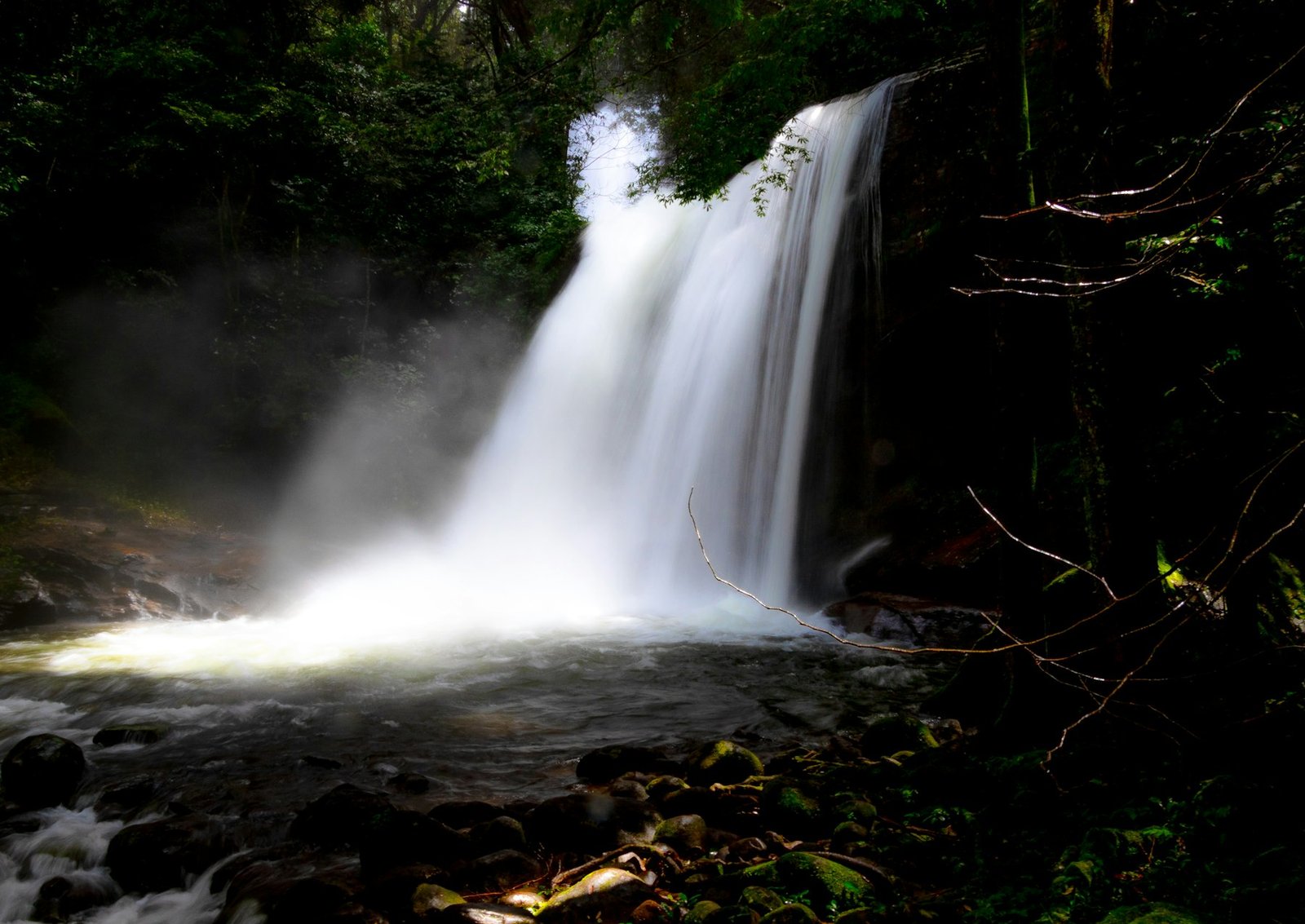
Hike Kilimanjaro’s green foothills to the Materuni waterfall, then roast, grind and brew your own coffee with a local Chagga family.
Day trip
Swim in the crystal-clear, spring-fed pools of Chemka (Kikuletwa), an oasis of fig trees and turquoise water on the plains between Moshi…
Day trip
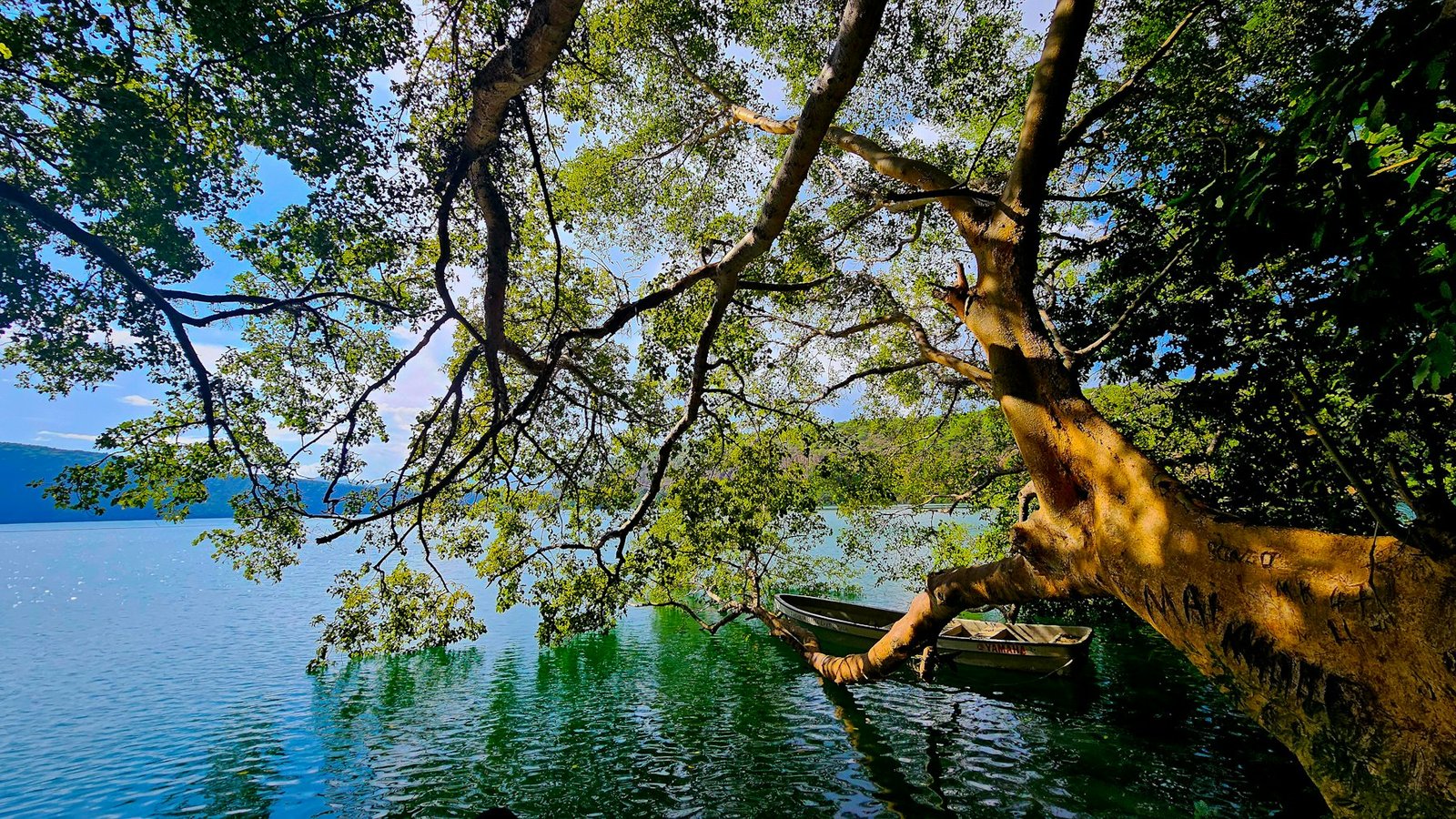
A hidden crater lake on the Kenya border with blue-green water and Kilimanjaro views. Hike down to the shore and paddle a…
Day trip
Set foot on Kilimanjaro without the full climb: hike the rainforest from Marangu Gate to Mandara Hut and the Maundi Crater, with…
Day trip
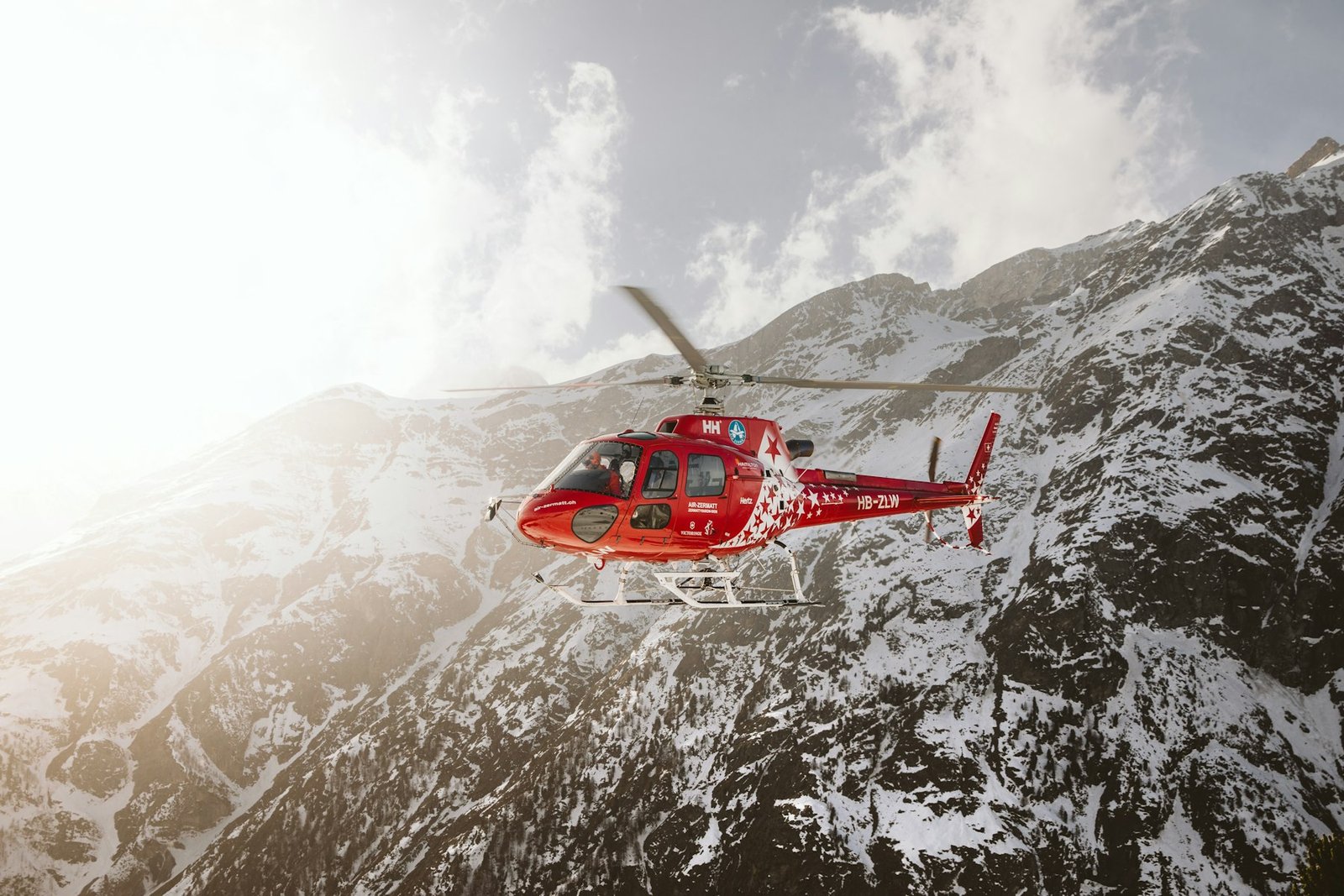
Circle Kilimanjaro’s summit, glaciers and crater on a scenic helicopter flight from Moshi or Arusha. An unforgettable alternative or addition to the…
Day trip
Climb the Maasai “Mountain of God”, an active volcano above Lake Natron. Start at midnight to reach the summit crater at sunrise.…
Day trip
A game drive and guided walk on a private conservation ranch on Kilimanjaro’s western slopes, with elephants and giraffes and the mountain…
Day trip
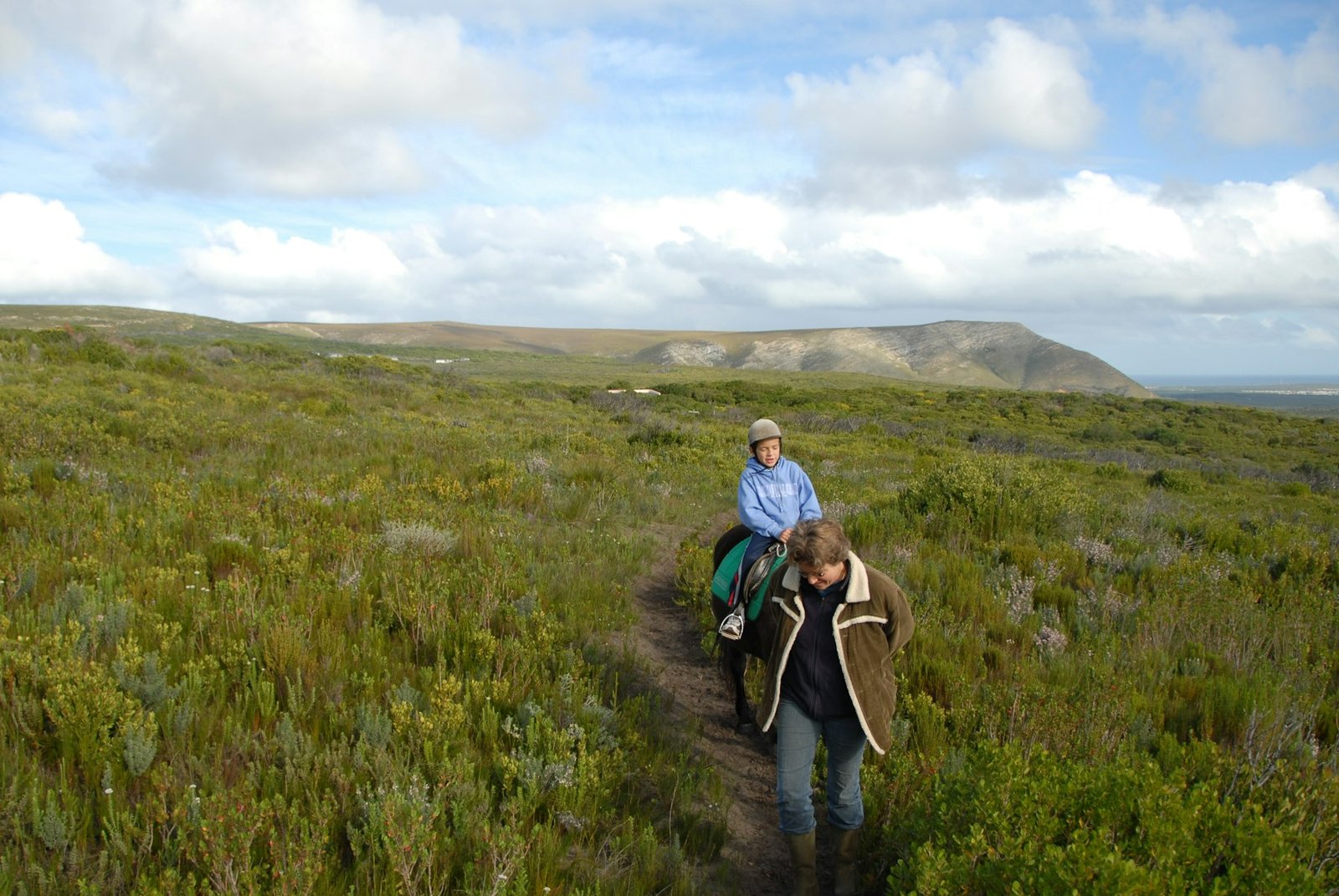
Ride among zebra, giraffe and wildebeest near Arusha, with views of Mount Meru and Kilimanjaro. Two to three hours, for beginners and…
Day trip
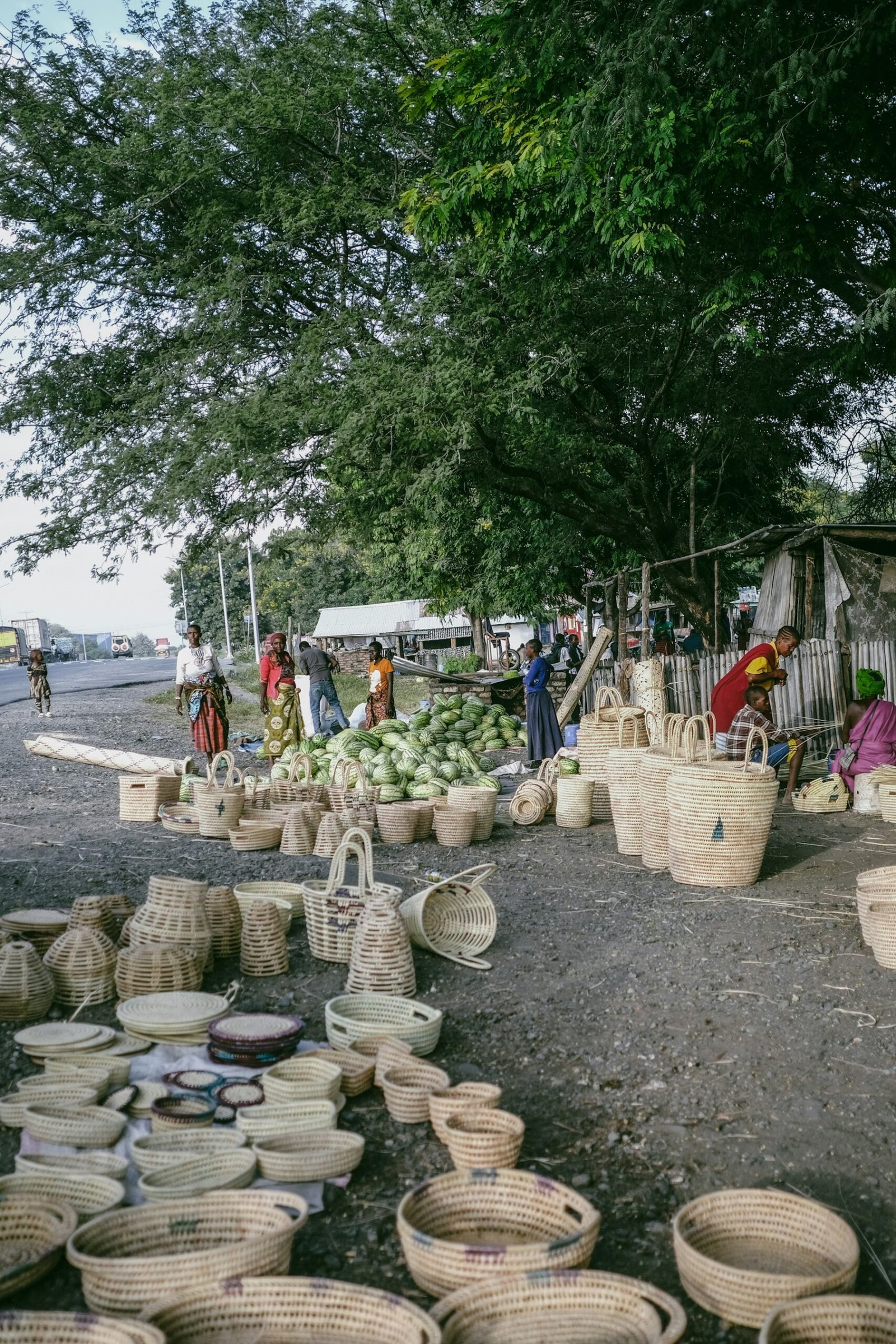
Discover Arusha with a local guide: the central market, the Maasai craft market, art galleries and local coffee. The best place for…
Don't see your perfect trip? Every Asili safari is private, so we can change any itinerary or build one from scratch.
Tailor-make my safariQuick reference
Tanzania safari guide
Tanzania is one of Africa's most iconic safari destinations, known for vast wilderness, world-famous national parks and extraordinary wildlife experiences throughout the year.

East Africa, between Kenya and Mozambique, on the Indian Ocean

The Big Five and the Great Migration

Serengeti, Ngorongoro, Tarangire, Lake Manyara, Ruaha

Private, family, honeymoon and fly-in safaris
Tanzania offers a safari experience that combines legendary wildlife, dramatic landscapes and authentic travel. From the endless plains of the Serengeti to the elephant-rich baobab country of Tarangire, every region has its own rhythm and beauty. About a third of the country is protected for wildlife.
Where to go
Tanzania is big, and its parks fall into three circuits that feel like different trips. Most journeys stay within one; joining two usually means a light-aircraft flight rather than a long drive. Picking the right circuit is the first thing we will help you decide.
Most popular
The Serengeti, the Ngorongoro Crater, Tarangire and Lake Manyara form a loop you can drive from Arusha. This is where the Great Migration plays out and where the Big Five are easiest to find, so it is our first choice for a first safari or a shorter trip.
Serengeti guideWild & quiet
Nyerere (the former Selous) and Ruaha are vast and lightly visited. Boat safaris on the Rufiji River, walks with an armed ranger and Ruaha's big lion prides make the south a favourite second safari. Mikumi is the easiest park to reach from Dar es Salaam.
Nyerere guideRemote
On the shores of Lake Tanganyika, the Mahale Mountains are one of the few places in Tanzania to trek wild chimpanzees, while nearby Katavi fills with buffalo, hippo and elephant in the dry season. Few camps, charter flights only and a real sense of being off the map.
Ask us about the westOn the map
Tap a marker to discover each area, then open its guide below. Most first-time visitors combine two or three northern parks; returning travellers often head south or west for something wilder.
● Areas we recommend
Park guides
Explore each park in depth: when to go, what you'll see, how to get there and the safaris that include it.
Area
Approx. 945,000 km²
Capital · Safari hub
Dodoma · Arusha
Languages
Swahili & English
Best time to visit
June – October; Jan – Feb for calving
When to go
There is no bad time to visit, but each month offers something different. Use this guide to match your dates to the experience you want.
Best
Calving season begins on the southern plains; warm and green.
Best
Peak calving at Ndutu, with very active predators.
Good
Calving continues; the short rains may start late in the month.
Rainy
Long rains. Lush, quiet and the best prices; some camps close.
Rainy
Rains ease; green-season rates as the herds move west.
Good
Dry season begins; the migration is in the Western Corridor.
Best
Herds head north and the first Mara River crossings start.
Best
Peak river crossings. Dry, sunny and busy.
Best
Crossings continue with excellent game viewing everywhere.
Good
Dry and quieter, with the herds in the far north.
Fair
Short rains. The herds return south and visitor numbers drop.
Good
Festive season as the herds reach the southern plains.
Best · Good · Fair · Rainy season
Experiences
From the big wildlife moments to quieter cultural encounters, here are the experiences we love most in Tanzania.
Combine your trip
Many of our guests combine two or three destinations in one journey. These pair especially well with Tanzania.
FAQs
Can't find your answer? Our team in Arusha is happy to help you plan.
Ask a questionWhen is the best time for a safari in Tanzania?
June to October, the long dry season, is best for general game viewing and the Mara River crossings. January and February are ideal for the calving season in the southern Serengeti. The April and May rains bring lower prices and fewer visitors.
How many days do I need?
Five to seven days covers the classic northern circuit of Tarangire, the Ngorongoro Crater and the Serengeti. With eight to ten days you can slow down or add Zanzibar, and a three-day safari from Arusha gives a good short taste.
Do I need a visa for Tanzania?
Most visitors need a visa, which you can apply for online before you travel. Your passport should be valid for at least six months with blank pages. Rules change, so check the official Tanzania immigration website before booking.
Which vaccinations do I need?
A yellow fever certificate is required if you arrive from, or transit through, a country with a yellow fever risk. Malaria prevention is recommended for most safari areas. Speak to a travel clinic six to eight weeks before you go.
Is Tanzania safe for travellers?
Tanzania is generally very safe for visitors, especially on a guided safari. Take normal city precautions in Arusha, Dar es Salaam and Stone Town, and follow your guide's advice in the parks. Our team is on call 24/7 during your trip.
What money should I bring?
The local currency is the Tanzanian shilling, and US dollars are widely accepted (bring notes printed in 2009 or later). Lodges take cards, but carry some cash for tips, markets and small purchases.
How much should I tip on safari?
Tipping is appreciated but always optional. As a guide, many travellers give their driver-guide about US$20–30 per day per vehicle and around US$10 per guest per day for lodge staff, using the camp's tip box.
Can I combine a safari with Zanzibar?
Yes. Daily flights link Arusha and the Serengeti airstrips with Zanzibar in one to two hours. Three to five nights on the beach is the perfect way to end a safari.
Get in touch and let us help you plan your dream safari in Tanzania.
Enquire now