4 days · Kenya · Short safari
Maasai Mara Explorer
A short, intense private safari in Kenya’s Maasai Mara: big cats, big skies and, from July to October, the Great Migration. An…
The country
Maasai Mara · Amboseli · Samburu · Laikipia
See Kenya safarisDestination guide
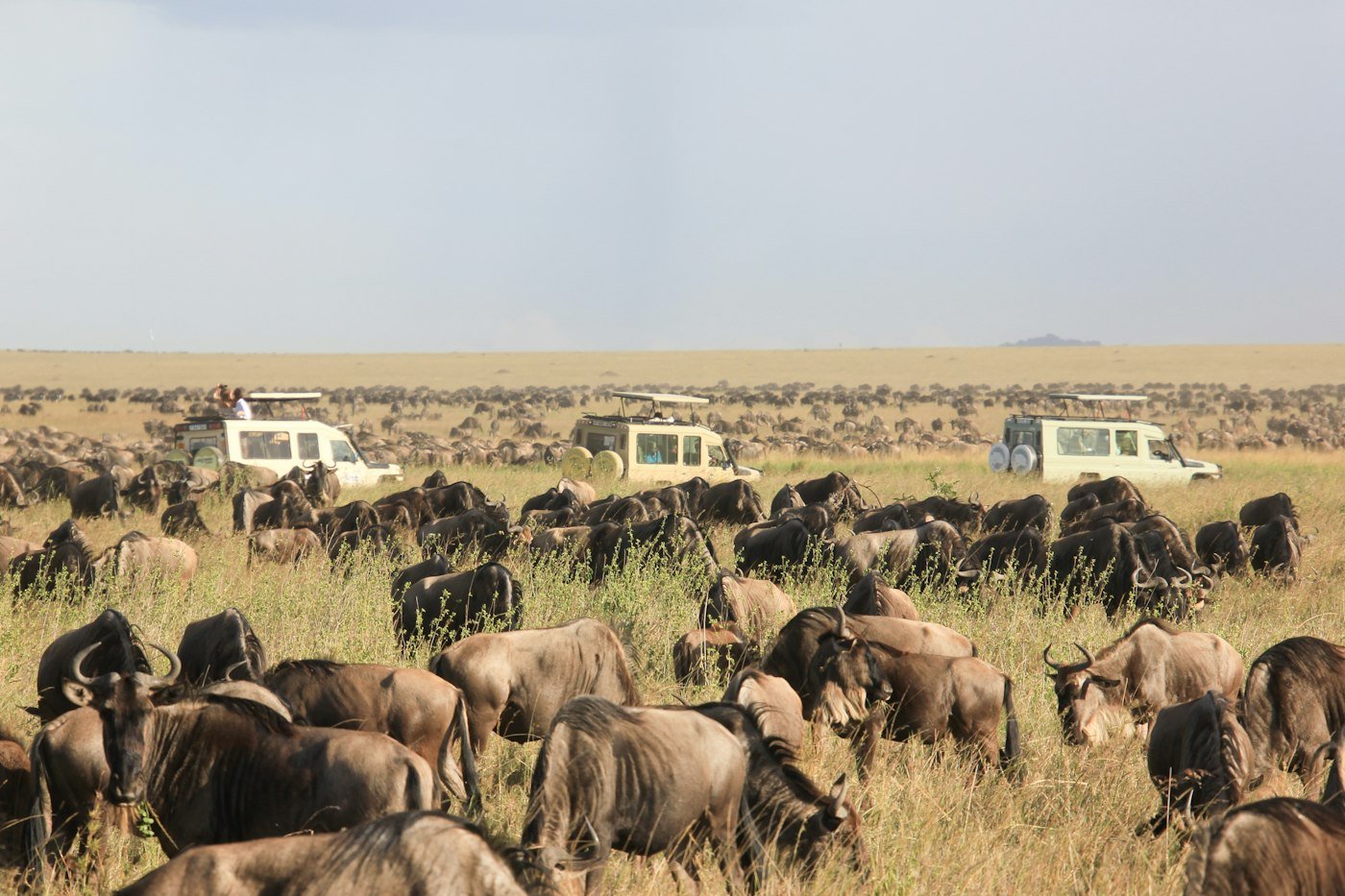
Kenya is where the modern safari was born, and it remains one of the most rewarding wildlife destinations in Africa. Its crown jewel is the Maasai Mara, the northern extension of the Serengeti ecosystem, where big cats are easy to find on open grasslands and the Great Migration arrives between July and October. Around the reserve, community-owned conservancies limit vehicle numbers and allow walking safaris and night drives, while sharing tourism income directly with Maasai landowners. To the south, Amboseli offers the classic image of elephants beneath Kilimanjaro. In the north, the semi-arid reserves of Samburu shelter species found nowhere further south, including reticulated giraffe, Grevy’s zebra and the long-necked gerenuk. The Laikipia Plateau is a mosaic of private ranches and conservancies at the forefront of rhino and wild dog conservation. Kenya combines beautifully with Tanzania, and a short light-aircraft hop links the Mara with the northern Serengeti.
Private safaris
4 days · Kenya · Short safari
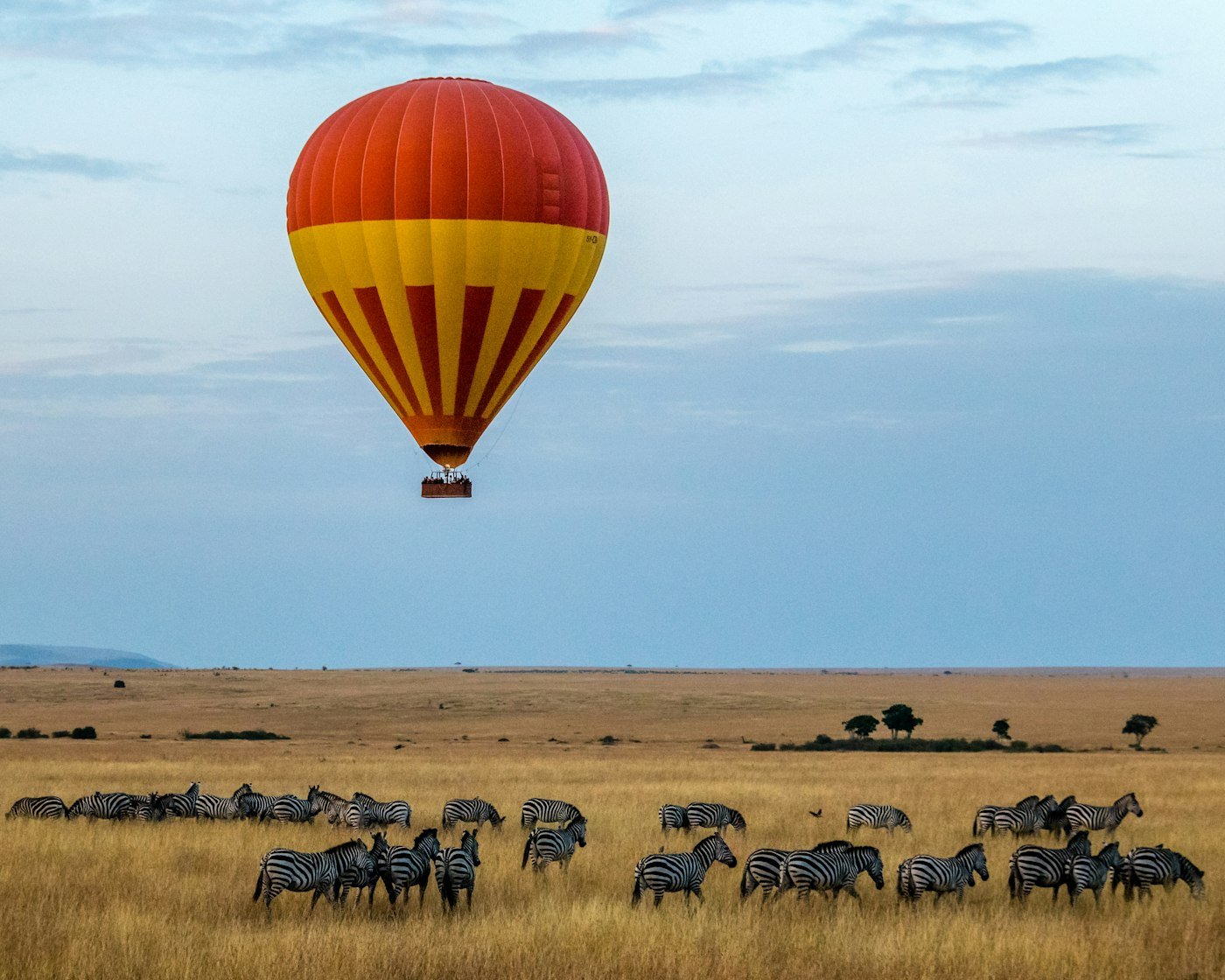
A short, intense private safari in Kenya’s Maasai Mara: big cats, big skies and, from July to October, the Great Migration. An…
5 days · Kenya · Classic safari
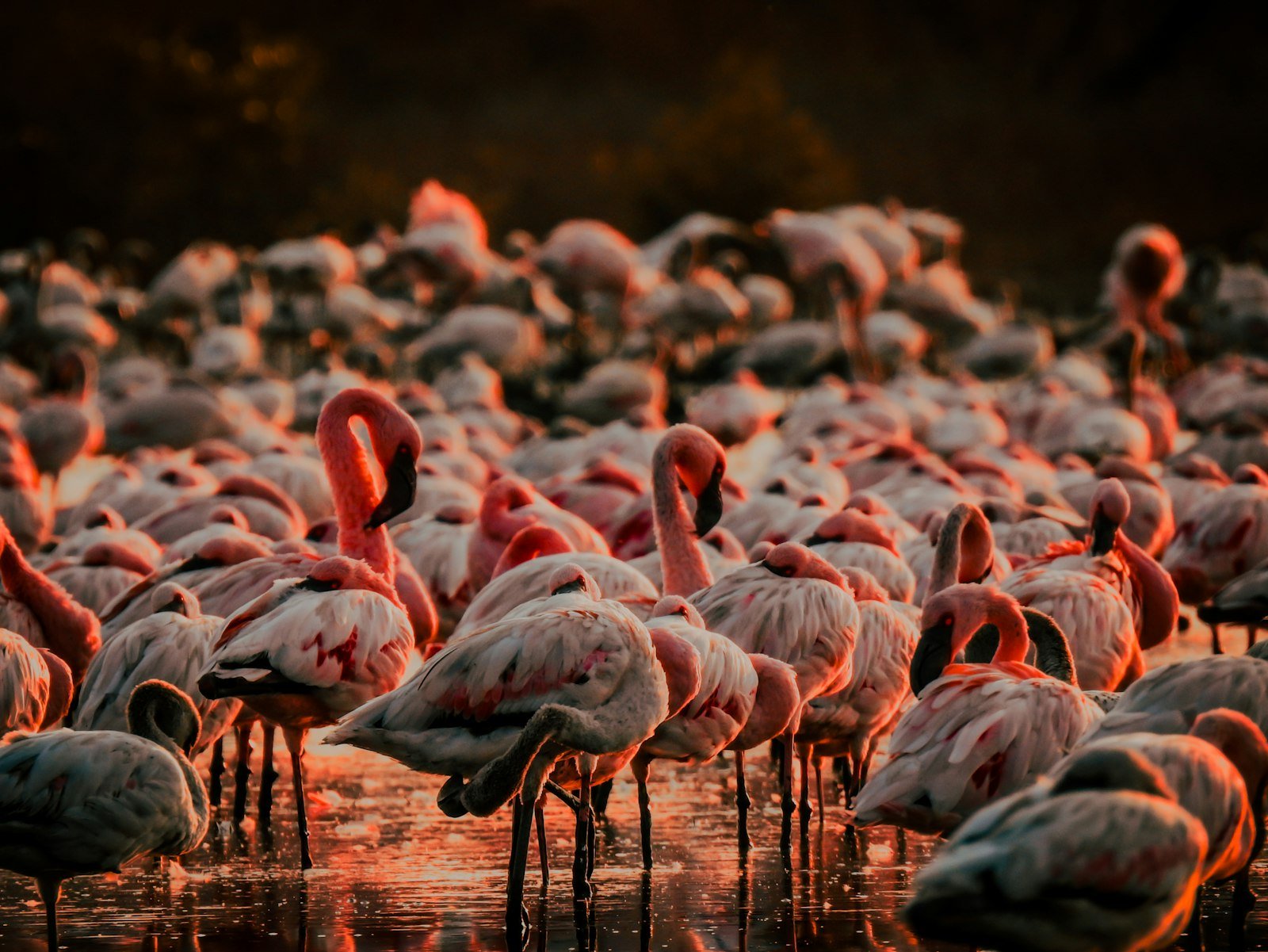
Lake Naivasha, rhinos and flamingos at Lake Nakuru, then two days in the Maasai Mara. A 5-day private introduction to Kenya’s wildlife.
3 days · Kenya · Budget safari
A great-value 3-day private safari from Nairobi through the Rift Valley, with a full day of game drives in Kenya’s Maasai Mara.
7 days · Kenya · Photographic safari
A 7-day private photographic safari in Kenya's Maasai Mara, with conservancy off-road access, a camera-ready vehicle and long days in the best…
8 days · Kenya & Tanzania · Private safari
Maasai Mara, Serengeti and Ngorongoro Crater on one private 8-day route, linked by a light-aircraft hop. Two of Africa’s greatest wildlife areas…
13 days · Kenya, Tanzania & Zanzibar
Maasai Mara, Serengeti, Ngorongoro and Tarangire, then slow beach days on Zanzibar: the complete 13-day private East Africa journey.
11 days · Kenya, Tanzania & Zanzibar
Maasai Mara, Serengeti, Ngorongoro Crater and Tarangire, then a flight to Zanzibar’s beaches: two safari countries and an island in 11 days.
10 days · Kenya & Zanzibar · Fly-in
Fly between Meru, Samburu, the Solio rhino sanctuary and the Maasai Mara, then finish with beach days on Zanzibar. A varied 10-day…
6 days · Kenya & Tanzania · Budget safari
The Maasai Mara, Serengeti and Ngorongoro Crater in 6 days, using comfortable tented camps and lodges to keep the price friendly. Private…
Don't see your perfect trip? Every Asili safari is private, so we can change any itinerary or build one from scratch.
Tailor-make my safariQuick reference
Kenya safari guide
Kenya is the birthplace of the modern safari, offering world-class big-cat viewing, iconic landscapes and some of Africa's most innovative community conservancies.

East Africa, on the equator, bordering Tanzania and the Indian Ocean

Big cats, the Big Five and the Mara migration

Maasai Mara, Amboseli, Samburu, Laikipia, Lake Nakuru

Private conservancy, family, honeymoon and fly-in safaris
Kenya pairs effortlessly with Tanzania: the Maasai Mara and the Serengeti form one ecosystem, and a short light-aircraft hop links the two. Nairobi is also one of Africa's best-connected airports, making Kenya an easy starting point.
Where to go
Kenya's parks fall naturally into four areas, and short flights from Nairobi make it easy to combine two in a week. The big questions are whether your dates fall in the migration window, and whether you would like to stay in a private conservancy.
Big cats
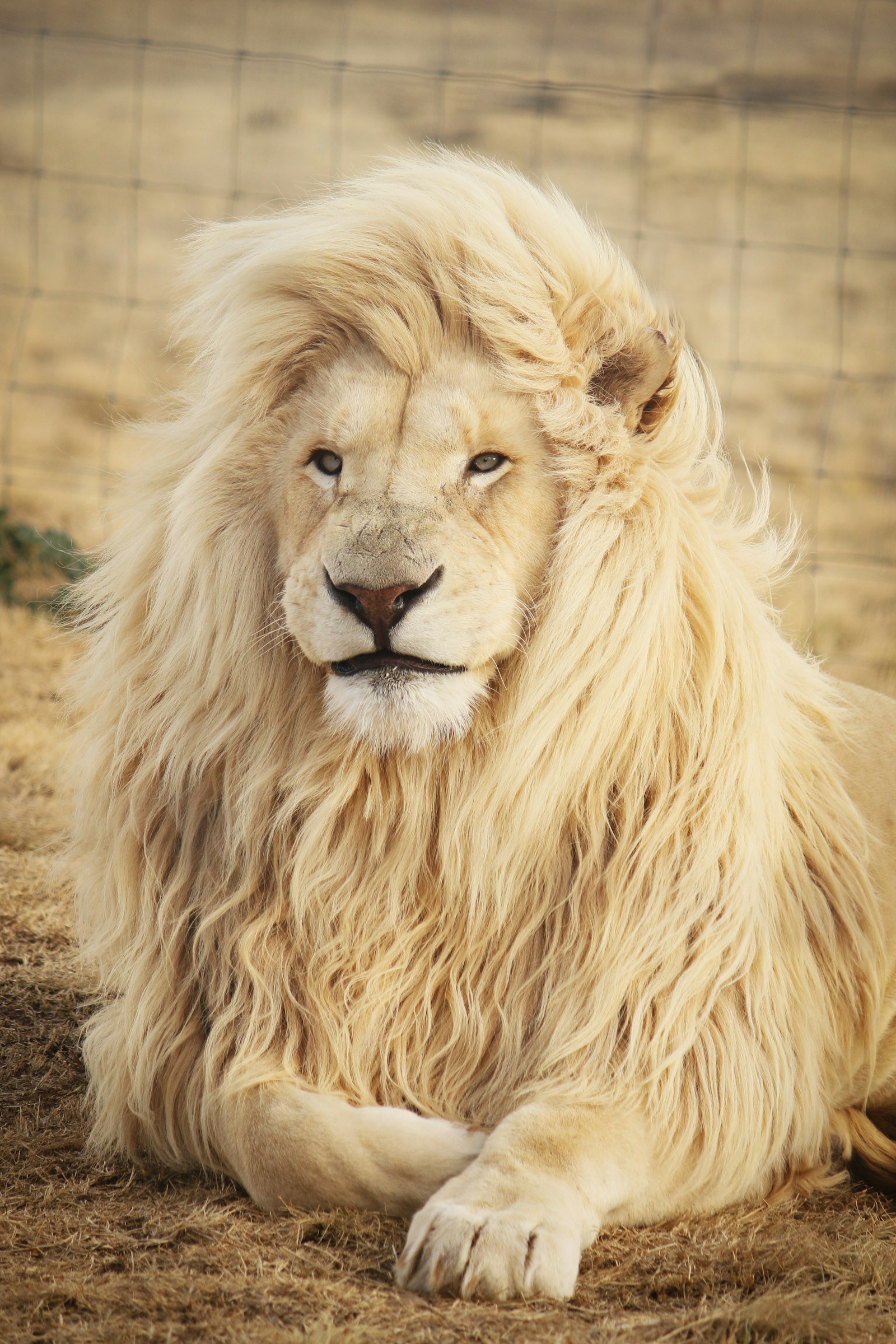
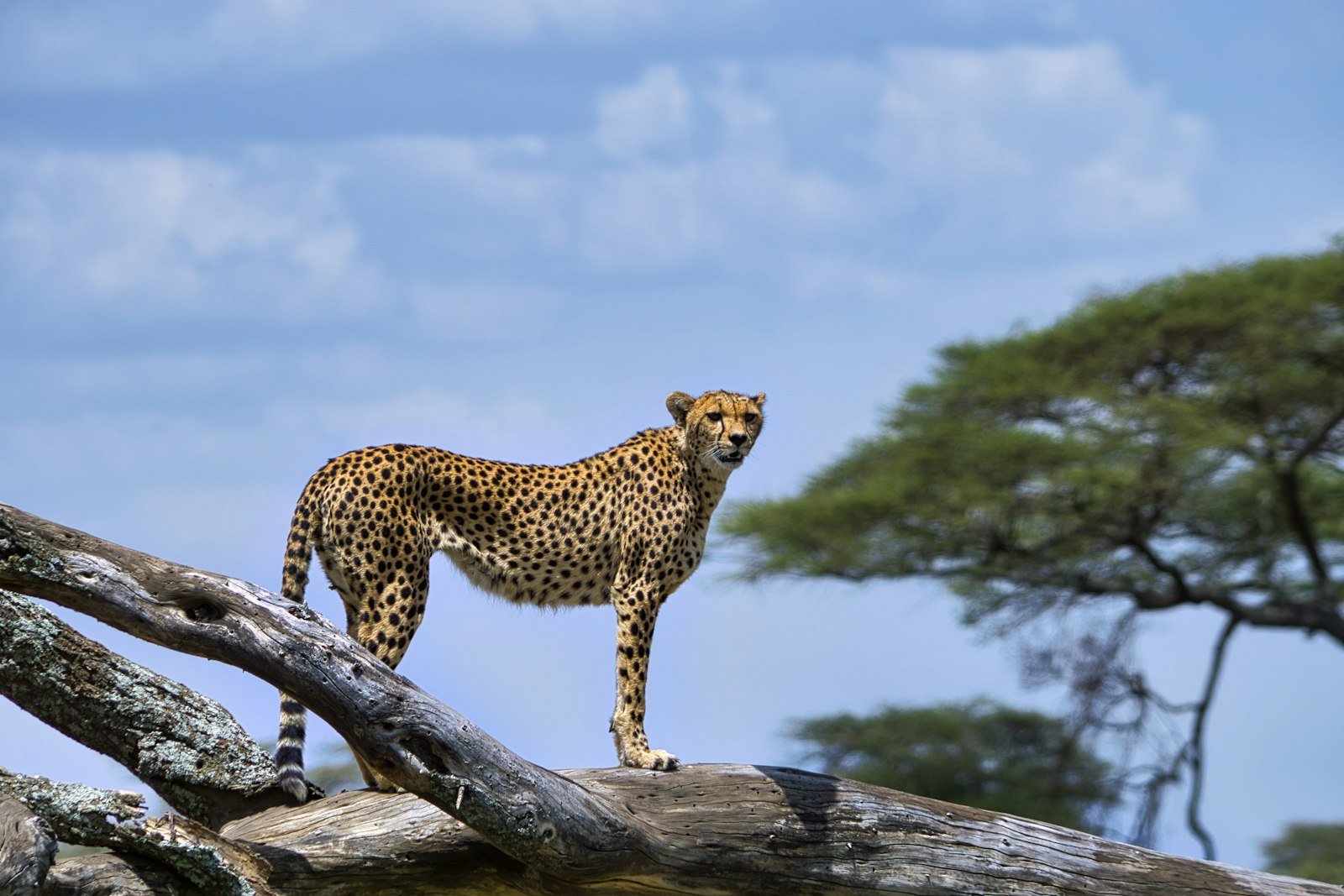
Kenya's half of the Serengeti ecosystem, with lion, cheetah and leopard all year and the Mara River crossings from about July to October. The private conservancies around the reserve limit vehicle numbers and allow night drives and walks. Lakes Nakuru and Naivasha, on the way, add rhino and superb birdlife.
Maasai Mara guideElephants
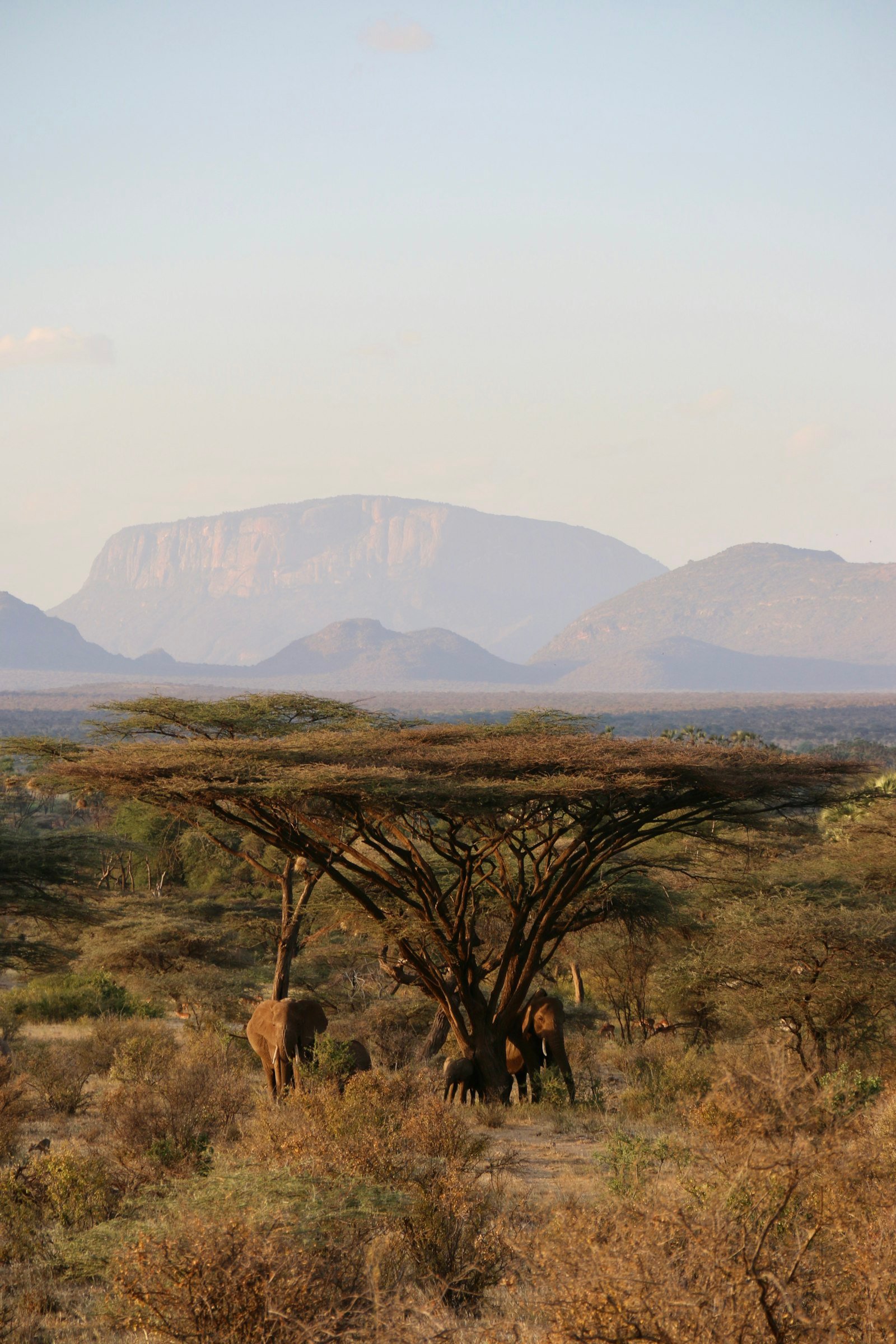
Amboseli is the classic Kenya picture: elephant herds with Kilimanjaro behind them. Tsavo East and West together form one of the largest wildernesses in Africa, known for red-dusted elephants and the clear pools of Mzima Springs, and lie on the road to the coast.
Amboseli guideRare species
The dry north holds animals you won't see further south: Grevy's zebra, reticulated giraffe, gerenuk and Beisa oryx. Leopard sightings along the Ewaso Nyiro river are excellent, and Ol Pejeta in Laikipia protects both black and white rhino.
Samburu guideBeach
End with Diani's white beaches and reef, Mombasa's old town and fort, or car-free Lamu, a UNESCO-listed Swahili island. Flights from the parks take around an hour.
Plan a safari and beach tripOn the map
Tap a marker to discover each area. Most guests combine the Maasai Mara with one or two other regions, or with Tanzania across the border.
● Areas we recommend
Park guides
From the Maasai Mara to the northern reserves: when to go, what you will see, how to get there and the safaris that include each one.
Area
Approx. 580,000 km²
Capital
Nairobi
Languages
Swahili & English
Best time to visit
July – October; Jan – Feb
When to go
There is no bad time to visit, but each month offers something different. Use this guide to match your dates to the experience you want.
Good
Dry and warm, with superb resident game in the Mara and Amboseli.
Good
Dry and quieter, with clear Kilimanjaro views at Amboseli.
Fair
Hot; the long rains usually arrive late in the month.
Rainy
Long rains. Green, quiet and the best rates.
Rainy
Rains ease towards the end of the month; camps reopen.
Good
Dry season starts as the herds approach from Tanzania.
Best
The migration arrives in the Mara; the first river crossings.
Best
Peak Mara River crossings. Book early.
Best
Crossings continue in dry, clear weather.
Good
The herds start to leave and there are fewer vehicles.
Fair
Short rains bring lush landscapes and lower prices.
Good
Mostly dry; festive peak, so book early.
Best · Good · Fair · Rainy season
Experiences
From the big wildlife moments to quieter cultural encounters, here are the experiences we love most in Kenya.
Combine your trip
Many of our guests combine two or three destinations in one journey. These pair especially well with Kenya.
FAQs
Can't find your answer? Our team in Arusha is happy to help you plan.
Ask a questionWhen is the best time to visit Kenya?
July to October brings the Great Migration to the Maasai Mara. January and February are dry, warm and quieter, and excellent for Amboseli. The long rains in April and May mean lower prices and green landscapes.
When does the migration reach the Maasai Mara?
The herds usually arrive from Tanzania in July and stay until about October, with river crossings most likely in August and September. Timing changes from year to year with the rains.
Do I need a visa for Kenya?
Most visitors must apply online for an Electronic Travel Authorisation (eTA) before travelling. Allow a few days for approval and check the official Kenyan government website for the latest rules.
How do I combine Kenya and Tanzania?
The easiest way is a light-aircraft flight between the Maasai Mara and the Serengeti. By road, the Namanga border links Nairobi and Amboseli with Arusha in about four to five hours.
What is a conservancy?
Conservancies are private or community lands bordering the national reserves. They limit vehicle numbers, allow night drives and guided walks, and pay lease fees to Maasai landowners, so your stay supports both people and wildlife.
Is Kenya safe for travellers?
Safari areas are generally very safe for visitors on a guided trip. Take normal city precautions in Nairobi and follow your guide's advice in the parks. Our team is available 24/7 while you travel.
Which vaccinations do I need?
Yellow fever vaccination is recommended, and a certificate may be required if you arrive from a risk country. Malaria prevention is advised for most safari and coastal areas. Ask a travel clinic six to eight weeks before you go.
How many days do I need?
Three to four days is enough for the Maasai Mara alone. Six to eight days lets you add Amboseli, Lake Nakuru or Samburu, and longer trips can include Tanzania or the coast.
Get in touch and let us help you plan your dream safari in Kenya.
Enquire now