The Serengeti Calving Season: A Complete Guide for 2027
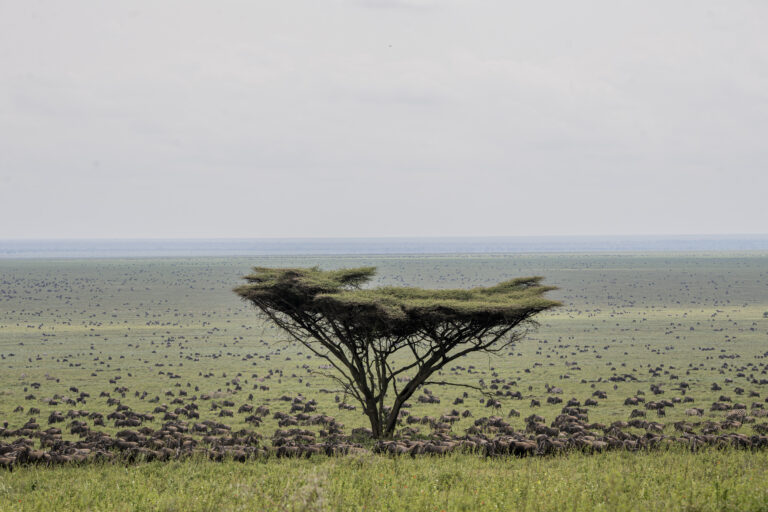
For a few weeks every year, the southern Serengeti becomes the largest nursery on earth. Hundreds of thousands of wildebeest give birth on the same open plains within days of each other, and every predator in the ecosystem comes to watch. If you have ever wanted to see the Great Migration at its most tender and most dramatic, this is the moment.
We guide in these plains every season, and this is the guide we give our own guests. It covers when to go, where the herds are, what you will see, and how to plan a trip that puts you in the right place for 2027.
What is the calving season?
The wildebeest of the Serengeti move in a giant, loose circle through the year, following the rain and fresh grass. Between about December and March they settle on the short-grass plains in the south. The grass that grows from these old volcanic soils is rich in minerals such as phosphorus and calcium, which is exactly what nursing mothers need.
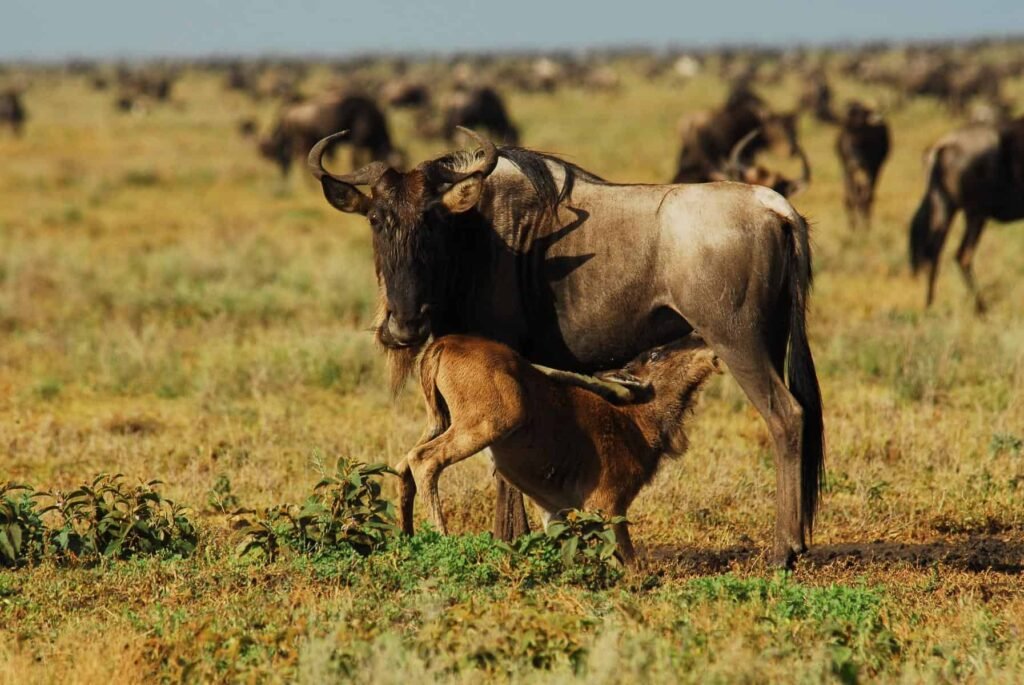
Here the herds do something remarkable: they give birth almost together. In a short burst, often two to three weeks, thousands of calves can be born in a single day. Synchronised birth is a survival strategy. Predators can only eat so much, so a flood of newborns means more of them make it through their first fragile days.
When to go in 2027
Nature does not keep a calendar, so think in windows rather than dates:
- Late December to mid-January: herds arrive and spread across the plains. Births begin. Good, quieter game viewing.
- Late January to late February: the peak. Most calves are born now and predator activity is at its highest. This is the most reliable window.
- March: calves are stronger, herds start to drift north-west as the long rains approach. Still very rewarding, with fewer vehicles.
If you can only choose one stretch, aim for the first three weeks of February. For month-by-month detail, read our month-by-month guide.
Where the herds are
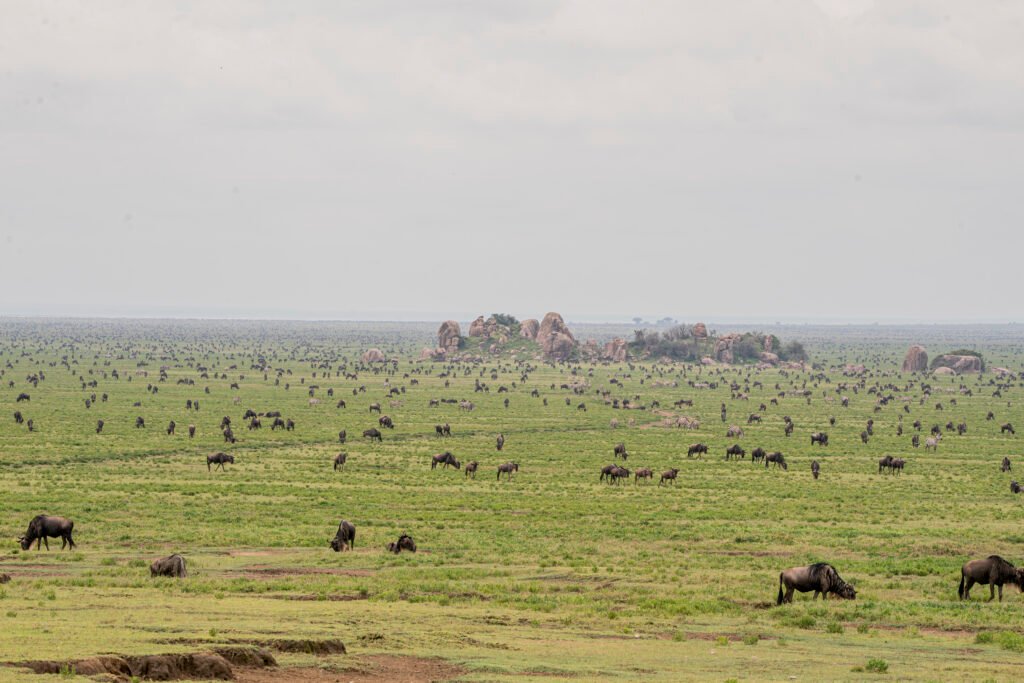
The heart of the calving is the Ndutu area, which sits on the border between the southern Serengeti and the Ngorongoro Conservation Area. Around Lake Ndutu and Lake Masek, woodland meets endless short grass, which gives predators cover and gives you a front-row seat. Depending on the rain, the herds may also spread toward Kusini, the Gol Kopjes and the plains near Naabi Hill. We explain the area in detail in our Ndutu guide.
What you will see
The births themselves are the headline: a calf on its feet within minutes and running with the herd soon after. But the calving season is also the best time of year for predators. Lions, spotted hyenas and cheetahs are everywhere, and you may also find golden jackals, bat-eared foxes, servals and caracals. See our predator guide for what to watch for.
Sit with a herd long enough and the plains stop looking empty. Every few minutes something new happens: a birth, a chase, a mother calling for her calf.
Weather and what to expect
January and February sit between the short rains and the long rains. Mornings are cool, days are warm and green, and afternoon storms roll in over the plains. Storms rarely last long and they make the light spectacular. Roads can be muddy, so a proper 4×4 and an experienced guide matter. Our packing list covers what to bring.
How long to stay
We recommend at least three nights based near Ndutu, ideally four. The herds can move twenty kilometres overnight after a storm, and extra time lets your guide follow them rather than hope they come to you. Many guests combine the calving with Tarangire, the Ngorongoro Crater and the central Serengeti in a seven-day itinerary.
What it costs
The calving season is high season in the south and the best camps fill early. Price depends mainly on where you sleep and how you travel between parks. We break it down in our 2027 cost guide.
Book early
Camps close to the herds, especially seasonal mobile camps, are often full months ahead for February. If you are thinking about 2027, now is the right time to hold dates. You can start with our Luxury Calving Safari or our Calving Season Photography Safari, or ask us to build something around your dates.
Frequently asked questions
When is the Serengeti calving season?
The herds settle on the southern plains from about December to March. Most calves are born in a two-to-three-week burst, usually in late January and February.
Where does the calving happen?
On the short-grass plains of the southern Serengeti and the Ndutu area of the Ngorongoro Conservation Area, around Lake Ndutu and Lake Masek.
How many days do I need?
Plan at least three full days around Ndutu. Herds move with the rain, and extra days give your guide room to follow them.
Is February the best month?
February is the most reliable month for births and predator action. Late January and early March can also be excellent and a little quieter.