10 days · Tanzania · Birding safari
Tanzania Birding Safari
Tanzania has recorded more than 1,100 bird species, roughly a tenth of all the birds on earth, and its northern parks pack an extraordinary range of habitats into a short drive: montane forest, soda lakes, swamps, baobab woodland and open grass plains. This safari moves at a birder’s pace with a specialist guide, targets the birds found only in Tanzania, and still delivers elephants, lions and the rest of the big game along the way.
Enquire about this safariDuration
10 days / 9 nights
Route
Arusha NP · Tarangire · Lake Manyara · Ngorongoro · Serengeti
Best time
November to April for migrants and breeding plumage · good year-round
Ideal for
Keen birders, beginners and naturalists
Six habitats, one journey
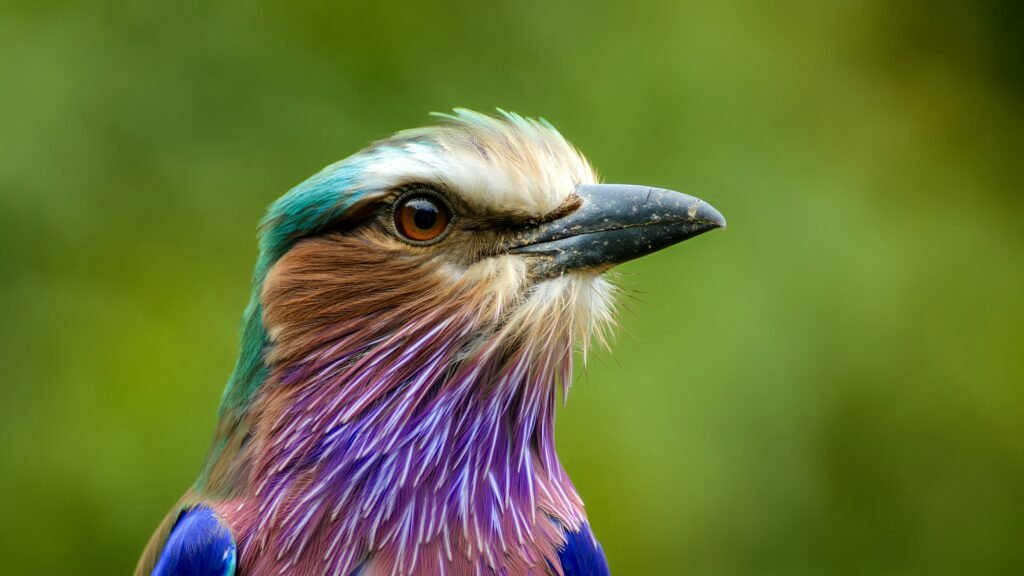
Every stop on this route adds a different community of birds. The forests and crater lakes of Arusha National Park hold trogons, turacos and parrots alongside flamingos and ducks. Tarangire, with more than 500 species recorded, is the stronghold of several Tanzanian endemics and has eight kinds of kingfisher and nine hornbills. Lake Manyara is a waterbird spectacle of pelicans, storks and flamingos, with forest species in the groundwater forest at its foot. The Ngorongoro Crater and the highlands around it add crowned cranes, kori bustards and the vultures of the plains, and the Serengeti brings secretarybirds, eagles and more endemics in its grasslands and kopjes. From November to April, migrants from Europe and Asia arrive to spend the northern winter here: European rollers, white storks, steppe eagles, lesser kestrels, waders and swallows join the resident birds, and the rains put weavers, bishops and widowbirds into their brightest breeding colours. Your guide is a dedicated birder who knows the calls, carries a spotting scope and field guide, keeps a daily checklist with you, and is as happy to stop for a cisticola as for a lion. In the right season, 300 to 400 species on this route is a realistic goal.
Itinerary
Day by day
A sample route. Keen listers can add our 4-day Lake Natron Birding Safari for the flamingos, Lake Eyasi for Fischer’s lovebird, or the Usambara Mountains for rare forest birds.
Day 1 · Arrive in Arusha
Met at Kilimanjaro International Airport and taken to a garden lodge outside Arusha. The grounds are a gentle introduction: sunbirds at the flowers, mousebirds, weavers building nests and often a few forest species at dusk. Your guide runs through the target list and the week ahead.
Day 2 · Arusha National Park
A full day in one of Tanzania’s most varied small parks. The Momella Lakes hold greater and lesser flamingos and waterfowl such as the Maccoa duck, the swamps of Ngurdoto Crater are good for saddle-billed stork, and the montane forest on the slopes of Mount Meru is the best place in the north for forest birds: Narina and bar-tailed trogons, Hartlaub’s turaco, red-fronted parrot and the Kilimanjaro white-eye.
Days 3–4 · Tarangire
Two days among baobabs and the Tarangire River. Targets include the Tanzanian endemics ashy starling, rufous-tailed weaver, yellow-collared lovebird and Tanzanian red-billed hornbill, alongside lilac-breasted rollers, red-and-yellow barbets, southern ground hornbills, kori bustards and ostriches. Look out for African pygmy, woodland and giant kingfishers, and for raptors around the Silale Swamp.
Day 5 · Lake Manyara
Around 400 species have been recorded in the park. The lakeshore holds great white and pink-backed pelicans, yellow-billed and marabou storks, lesser flamingos, avocets, stilts and waders, while the groundwater forest below the Rift Valley wall is good for silvery-cheeked hornbill and grey-headed kingfisher. Grey crowned cranes feed on the open ground, and the farmland east of the lake is a reliable spot for rufous-tailed weaver.
Days 6–7 · Ngorongoro highlands and crater
Highland forest on the crater rim for montane species, then a full day on the crater floor: lesser flamingos on Lake Magadi, grey crowned cranes, kori bustards, Cape teal and large flocks of cattle egrets among the herds. Several vulture species work the plains of the conservation area, and the lakes at Ndutu and Masek on the way west add waterbirds and waders.
Days 8–10 · Serengeti and departure
Open grassland and granite kopjes for secretarybirds, martial and tawny eagles, African fish eagles, ostriches and the endemic grey-breasted spurfowl and Fischer’s lovebird. About a quarter of the Serengeti’s species are migrants, so the season makes a real difference here. A light-aircraft flight takes you back to Arusha on the final day.
Birds to look for
Tanzanian endemics and specialties
— Ashy starling
— Rufous-tailed weaver
— Yellow-collared lovebird
— Fischer’s lovebird
— Grey-breasted spurfowl
— Tanzanian red-billed hornbill
— Kilimanjaro white-eye
Highlights by habitat
— Forest: Narina trogon, Hartlaub’s turaco, silvery-cheeked hornbill
— Soda lakes: lesser and greater flamingos, pelicans, avocets
— Swamps: saddle-billed stork, grey crowned crane
— Savanna: kori bustard, ostrich, secretarybird, ground hornbill
— Raptors: martial eagle, fish eagle, vultures
— Migrants (Nov–Apr): European roller, white stork, steppe eagle
Included
— Private safari vehicle with pop-up roof
— Specialist birding guide
— Spotting scope and field guide in the vehicle
— Daily checklist of species seen
— All park and conservation fees
— Accommodation and meals as per itinerary
— Light-aircraft flight from the Serengeti to Arusha
— Airport transfers and 24/7 support
Not included
— International flights and visas
— Travel insurance (required)
— Binoculars (please bring your own)
— Tips for guides and camp staff
— Premium drinks and personal items
Join us for a birding safari
Send us your target list, your dates and how you like to travel. We will match you with the right guide, route and season, whether you are building a life list or simply enjoy birds.
Enquire nowMore safari experiences
4 days
Lake Natron Birding Safari
4 days
Ngorongoro Crater Photography Safari
9 days